
Transforming Dementia Care: Implementing a Person Led Pathway
Jan 09, 2026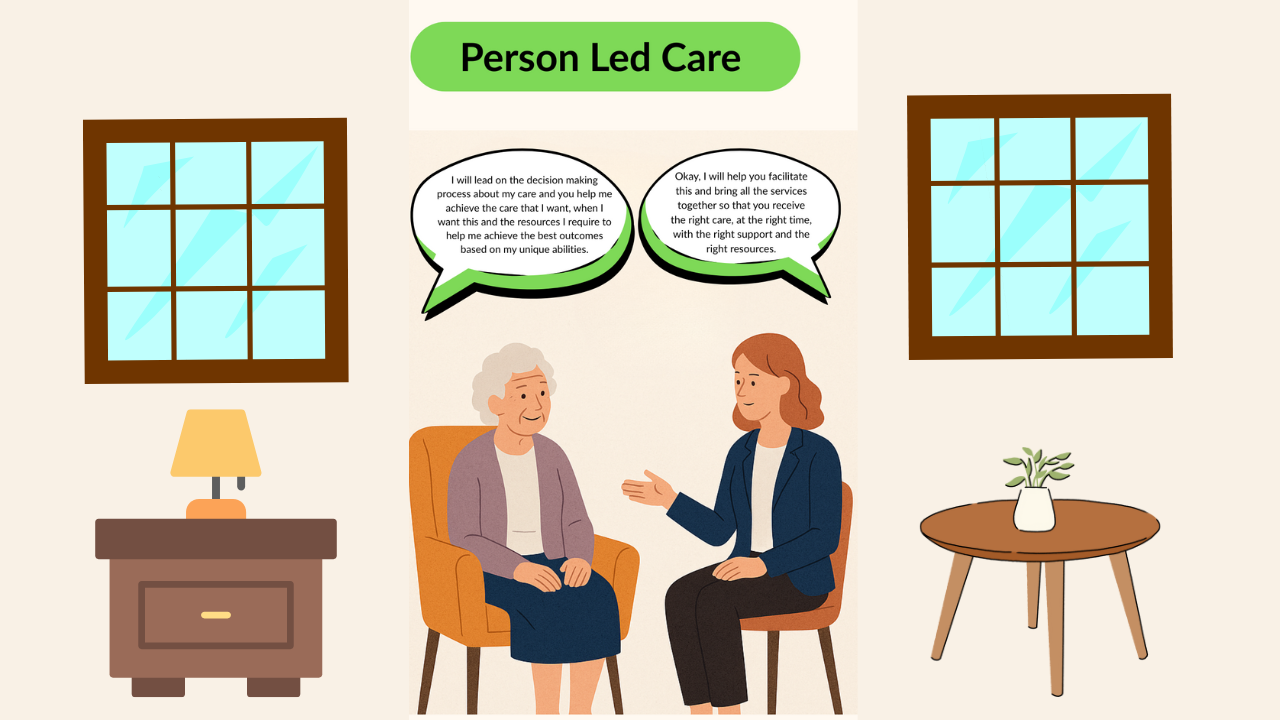
Dementia care is often shaped by systems designed for efficiency, consistency, and risk management. While these elements have their place, they can unintentionally overshadow the most important aspect of care: the person.
No two people experience dementia in the same way. Each individual brings with them a lifetime of memories, values, relationships, culture, and meaning. To truly transform dementia care, we must move beyond standardised one fit all pathways and recognise a fundamental truth:
every person lives a unique life and experiences a unique world.
The new dementia pathway advocates the importance of being unique and offers a way forward, one that places identity, lived experience, and personal meaning at the heart of support.
Why Many Dementia Pathways Have Gaps
Traditional dementia pathways often focus on diagnosis, decline, and service delivery. While clinically informed, they can unintentionally reduce care to tasks, timelines, and risk mitigation.
Common consequences include:
- Care plans driven by routines rather than relationships
- Interventions focused on managing behaviour instead of understanding it
- Limited recognition of personal history and emotional needs
- Fragmented systems that place the burden of coordination on families
- Approaches that prioritise safety at the expense of autonomy
When pathways fail to reflect individuality, people can feel disconnected from their own lives, and caregivers are left navigating systems that don’t adapt to the person.
What Does a Person Led Pathway Means in Practice?
At the heart of this pathway is a shift in perspective. Dementia does not erase personhood; it changes how people perceive, interpret, and interact with the world around them.
Rather than asking what has been lost, this approach invites us to ask:
- Who is this person beyond their diagnosis?
- What experiences, values, and relationships shape their identity?
- How do they experience their world today?
- What continues to bring meaning, comfort, and purpose?
Care is then shaped with the person, not imposed upon them.
Entering the Person’s World
People living with dementia may experience changes in memory, perception, language, and their sense of time. What appears confusing or illogical to others often makes sense within the person’s own reality.
A person led approach encourages caregivers and professionals to:
- Meet the person in their reality rather than correcting it
- Align support with the person’s pace and understanding
- Create environments that feel familiar and emotionally safe
- Respond to feelings and intent, not just observable actions
When we stop trying to pull people into our world and instead step into theirs, trust deepens and distress often reduces.
From Behaviour Management to Meaningful Understanding
Behaviors commonly described as “challenging” are rarely without meaning. They are often expressions of unmet needs, discomfort, fear, or confusion, which is why we refer to this as ‘behaviours that challenge.’ rather than ‘challenging behaviour,’ as the focus is not on the person, but the reasons why.
This pathway reframes behaviour as communication.
Rather than asking, “How do we stop this?”, teams ask, “What might this person be telling us?”
This shift supports:
- Earlier recognition of distress
- More compassionate and consistent responses
- Reduced reliance on restrictive practices
- Care that feels respectful rather than controlling
Understanding behaviour through the lens of lived experience preserves dignity and strengthens relationships.
Enablement: Supporting What Still Remains
A core principle of a person led pathway is enablement.
Rather than focusing on what a person can no longer do, attention is placed on what they can still do, with the right support.
Enablement may include:
- Maintaining familiar routines and rituals
- Supporting involvement in everyday activities
- Encouraging choice, agency, and decision-making
- Preserving roles that provide identity and purpose
Even small opportunities for independence can have a profound impact on wellbeing and self-worth.
Recognising the Role of Families and Caregivers
Dementia affects entire networks, not just individuals. Families and caregivers often carry emotional, practical, and psychological burdens, frequently without adequate guidance or support.
A truly person-led pathway must also support those alongside the person by:
- Providing understanding rather than instruction alone
- Reducing guilt and uncertainty through education
- Offering consistent communication and realistic expectations
- Creating space for collaboration rather than isolation
When caregivers feel supported, the quality and sustainability of care improves for everyone involved.
Designing Systems That Adapt to People
Implementing a person led pathway requires more than goodwill; it demands systemic change.
Effective organisations:
- Build flexibility into routines and processes
- Encourage reflective practice and shared learning
- Support interdisciplinary collaboration
- Align safeguarding with dignity, autonomy, and rights
- Value consistency of relationships over rigid structures
When systems adapt to people rather than forcing people to adapt to systems, care becomes more humane, effective, and sustainable.
A Different Future for Dementia Care
Dementia is not a linear journey, and no single pathway can predict or contain it. What can transform care is a commitment to seeing the person first, every time.
The person led pathway reminds us that dementia care is not about managing decline, it is about supporting life as it is lived, in all its complexity.
True transformation begins when we stop asking,
“How do we manage dementia?”
and start asking,
“How do we support this person to live well, in their world?”
Next Step Toward Person-Led Dementia Practice
If you’d like to deepen your understanding of our new person led pathway and strengthen how dementia care is experienced in practice, there are several ways to continue your learning and development:
Individual Membership Subscription
For professionals who want ongoing learning, specialist insight, reflective tools, and practical resources that support person-centred dementia care, safeguarding, and complex decision-making.
Organizational Membership Subscription
For teams and services seeking to embed consistent, evidence-based, person-led dementia practice across their organisation—supporting workforce capability, shared understanding, and sustainable culture change.
Book a Free Discovery Call: Explore how we can support you or your organisation to strengthen understanding of behaviour, communication and to reduce unnecessary restriction while promoting dignity and autonomy.
Subscribe to Our Newsletter: Receive weekly reflections, practical guidance, professional tools, and insights designed to support compassionate, informed, and enabling dementia care practice.
Explore our dementia book which outlines the pathway in detail.